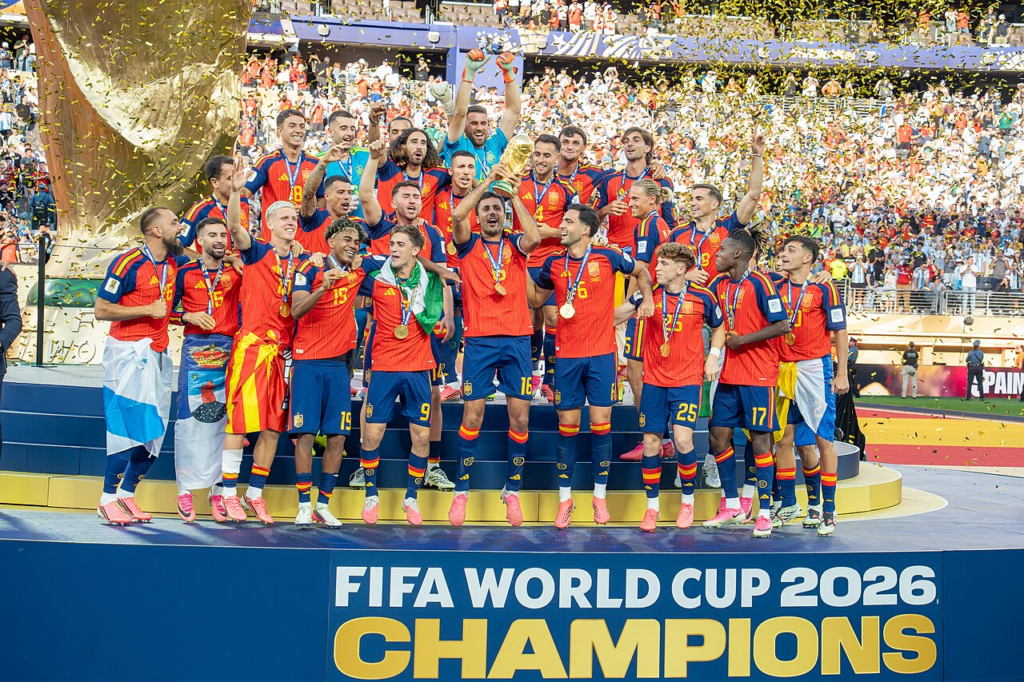

Now that the dust has settled on the 2026 FIFA World Cup and the commentators continue to dissect whether Thomas Tuchel is to blame for England’s exit or if Messi will retire, I wanted to write about something off-the-pitch, namely, the actual branding of the tournament itself.
The FIFA World Cup is not only one of the biggest prizes in sport, it’s also one of the biggest brands, estimated by Brand Finance to be worth $5.2 billion. However, it actually wasn’t always like that.
In fact 32 years ago when the FIFA World Cup was last held in the USA, you’d have struggled to find a mention of FIFA anywhere. The World Cup that year was simply called World Cup USA 94 and that was just the way it had always been: England 66, Mexico 70, and so on. This was a big problem for FIFA and a big problem for its official sponsors and partners who signed multi-year, multi-million dollar deals to get exclusive rights to have their brands appear at the tournaments.
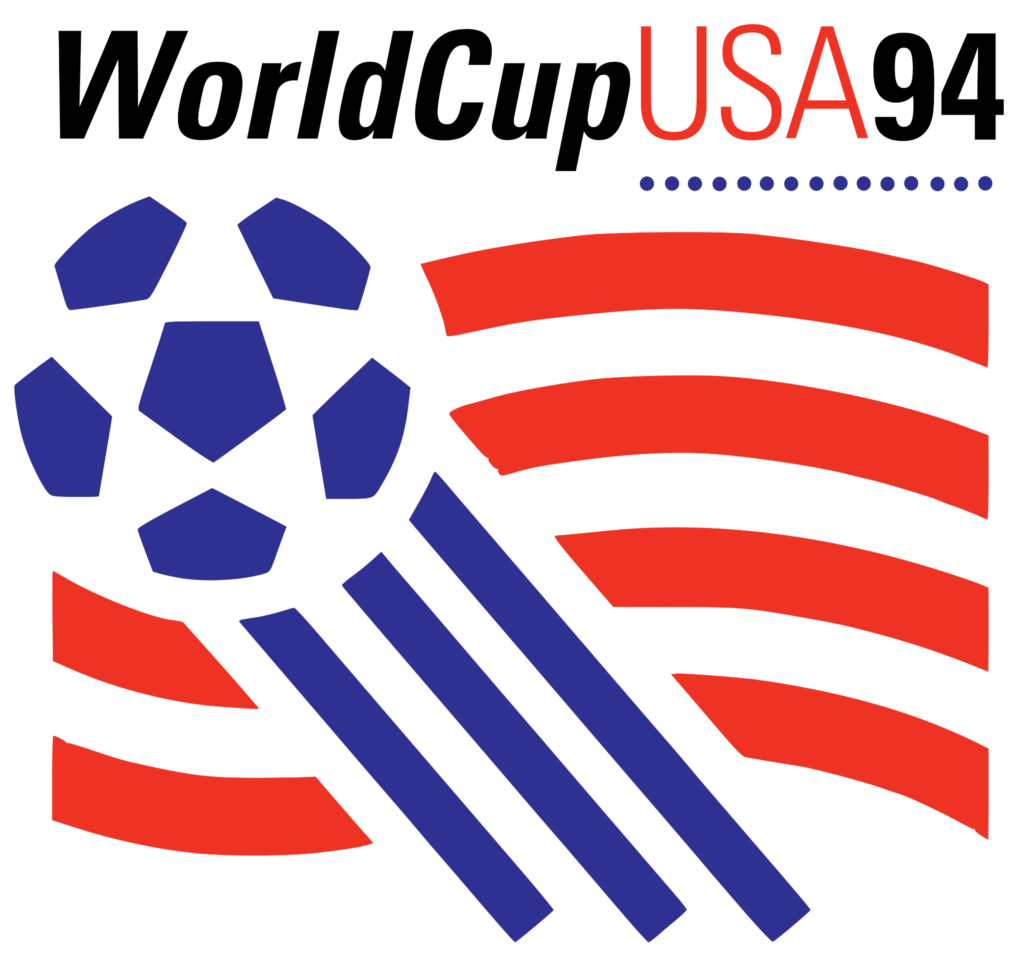
The problem was that anyone could use the name, ‘World Cup’ and ‘USA’ both are terms that can’t be protected by law. This meant that unofficial retailers and vendors were making millions by printing the words on everything from T-shirts to mugs and none of that money was going to FIFA for them to be able to continue to grow the game.
Worse still, official partners and sponsors were concerned about ‘ambush marketing’ by their rivals who could jump on the bandwagon of the tournament without paying a dime. For example, Adidas had paid millions to be an official partner and therefore had to follow FIFA’s strict rules about how and where they could put their brand and how they could use the official World Cup logo. Nike, on the other hand, had no such constraints and could cover the approaches to stadiums and buy up commercial breaks around the games on TV promoting their love of football and celebrating the world cup.
That’s why FIFA realised they needed a proper brand strategy, a comprehensive way of protecting and managing their core asset: the World Cup. That’s why in 2002 something new happened at the World Cup, co-hosted by Japan and South Korea.

It was branded for the first as the FIFA World Cup with prominent and consistent use of a distinctive FIFA logo, impossible for anyone else to copy or piggy-back.
This was coupled together with a change to the commercial guidelines that gave the paid partners greater creative freedom, meaning sponsors and partners had the ability to use the FIFA logo between tournaments and at all events, including the increasingly popular FIFA Women’s World Cup made for a much more valuable, attractive and protected package of rights for partners.
But that was not enough.
The FIFA World Cup brand needed something even more special than just the trademarked FIFA logo. It needed its own iconic symbol. Just like the IOC had the iconic 5 coloured rings for its Olympic games. What should that be? The answer was almost so obvious it had been overlooked: the iconic World Cup Trophy itself. One of the world’s most recognised sporting trophies. And so in 2002 for the first time, a stylised, trademarked version of the Trophy appeared at the heart of the logo and on official merchandise.
And every FIFA World Cup logo since has incorporated an image of the trophy, further enhancing and protecting value for partners and sponsors and helping to generate much more revenue for FIFA to reinvest in its core mission to spread the game across the world.
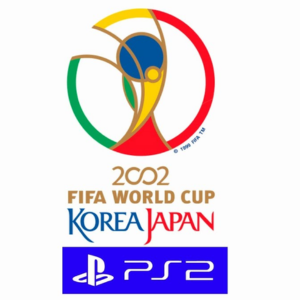
How do I know all this? Well 30 years ago, a brief dropped on my desk at the consultancy I worked at. It was from FIFA’s marketing agency and they wanted help devising a global brand strategy. For me that led to a wonderful few years developing the strategy for a global brand that is now worth billions.
A strong brand is more than a logo: it protects what makes your business distinctive and turns it into lasting commercial value. If your brand needs a clearer strategy for growth, get in touch with Caffeine.