
Brand building is about creating value that lasts beyond today’s success. Most sporting careers have an expiry date and so do the brands built around them. Sporting personalities burn brightly when fuelled by the constant coverage of their on-pitch performances. But they fade shortly after retirement. How big is Tiger Wood’s now compared to when he was literally at the top of his game? David Beckham is different. Nearly thirty years after first becoming a household name while at Manchester United, Beckham remains one of the most commercially powerful personal brands in the world.
Why? Because his success has not been simply about football. It has been about building a brand with the same discipline and long-term thinking that successful companies use to create customer loyalty and sustainable growth.
Beckham’s football career itself was extraordinary. Across club and country he played 839 matches, representing Manchester United, Real Madrid, LA Galaxy, AC Milan, Paris Saint-Germain and England. Yet sporting success alone does not explain his longevity. Plenty of elite athletes win trophies and disappear from public consciousness after retirement.
The difference with Beckham, it seems, is he understood early on that sporting fame is temporary, but brand building is enduring. And key to brand building is understanding the fundamental strategic and commercial importance of intellectual property.
Brand Building Starts with Ownership
The trade mark ‘David Beckham’ was first filed in 2000. That decision may have seemed administrative at the time, but strategically it was hugely significant. Rather than allowing his image and reputation to exist as an unmanaged celebrity profile, he began treating his name as a business asset requiring protection and investment, and a clear business plan.
Today, Beckham-related entities are estimated to control hundreds, potentially over a thousand trademark registrations globally. These cover names and logos for fashion, fragrances, numerous product lines and other commercial categories across multiple jurisdictions and classes.
Marketeers like to talk about ‘owning a space’ in the customer’s heart or mind. But you can’t own that space if you don’t first own the trade marks. Trade marks allow a business to protect, license and scale value. Rather than repeatedly creating new assets from scratch, Beckham could build multiple revenue streams from the same underlying brand equity. Owning the intellectual property gives brand owners, whether companies or people, control over their future.
Brand Building Requires Structure
Equally important has been the corporate structure behind the brand.
Businesses including DB Ventures and related holding and licensing entities transformed Beckham from an individual celebrity into a structured commercial enterprise. These structures created a platform capable of managing partnerships, licensing agreements and long-term investments.
This separation is important because successful brands eventually become bigger than the individual at the centre of them. Indeed so big and so valuable that eventually they end up being sold by one owner to another, in many cases for $billions.
Brand Building Requires Consistency
Beckham has also mastered something many businesses struggle with: consistency. Like any great brand, Beckham has consistently expressed who he is while finding new ways to remain relevant.
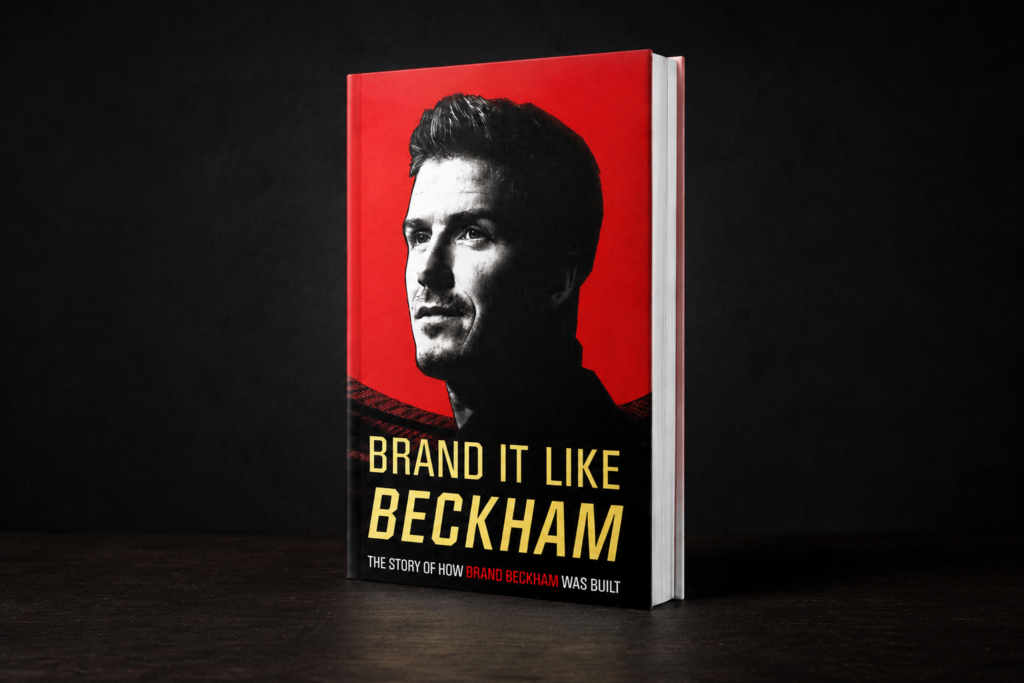
His public identity has evolved from footballer, to fashion icon, to entrepreneur, to philanthropist, to co-owner of football ventures and global ambassador. Yet the core characteristics remain remarkably stable: professionalism, family values, aspiration, style and accessibility. In my book Brand It Like Beckham – written 22 years ago, which is another marker of his brand’s longevity – I called them ‘Dedication, Iconic Sense of Style and Down To Earth Humanity’ People all over the world like those values and so they like him.
How to Build a Brand That Lasts
So what’s the lesson any business can learn to match Beckham’s longevity? For fun, I fed this article into ChatGPT and asked it how it would answer that question. This was its response:
‘Build the brand. Protect the assets. Structure for growth.’
Actually, I think that’s rather a good mantra to remember.
Andy Milligan has been analysing the David Beckham brand for more than two decades. He is the author of Brand It Like Beckham and appeared as a branding expert in Channel 5’s documentary on the David Beckham brand.